







Introduction
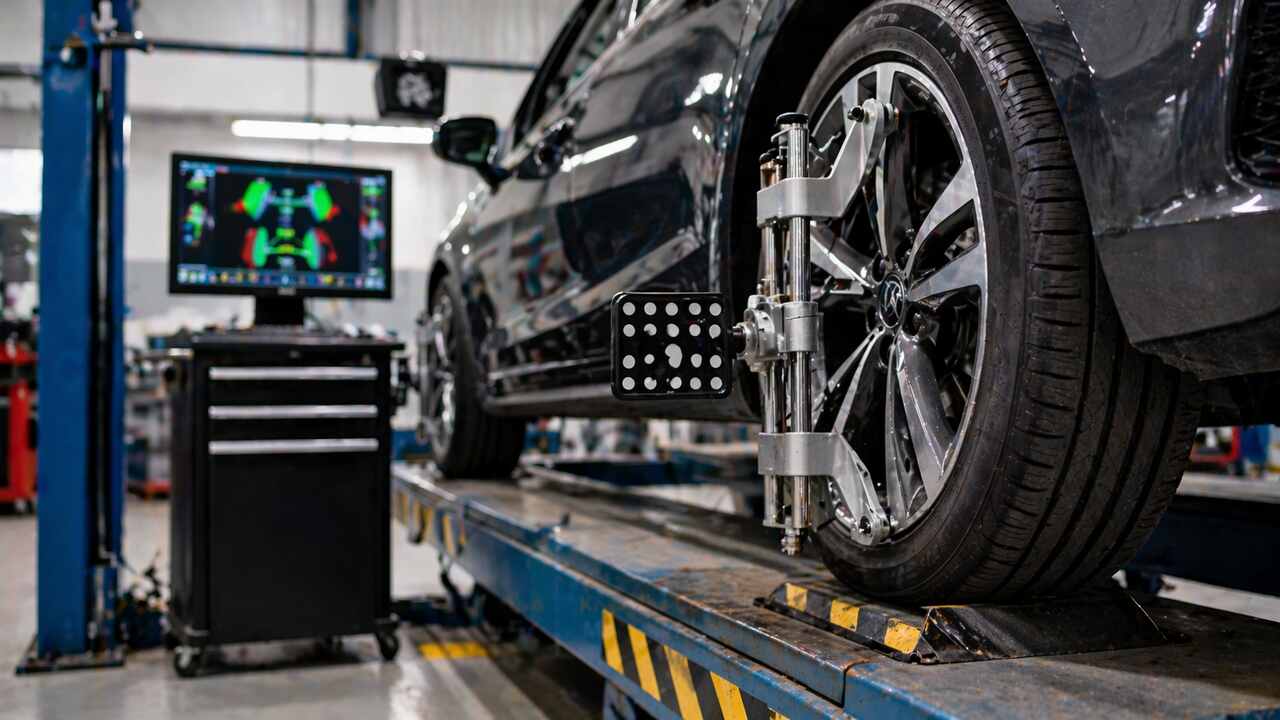
Understanding the cost of alignment helps vehicle owners maintain proper handling, extend tire life, and avoid unnecessary wear. Wheel alignment is a routine maintenance service that adjusts the angles of your vehicle’s wheels to meet manufacturer specifications. The price varies depending on vehicle type, service provider, and alignment complexity. Knowing the full cost breakdown, influencing factors, and available options ensures you make the right decision without overspending.
Inspect Vehicle Symptoms Before Paying for Alignment
Start by identifying whether your car actually needs alignment, because unnecessary service adds avoidable cost. Common signs include uneven tire wear, a steering wheel that pulls to one side, or vibrations while driving. These symptoms indicate that wheel angles such as camber, caster, or toe are out of specification.
Next, check your driving history and road conditions. Hitting potholes, curbs, or driving on rough terrain often causes misalignment. Even minor impacts can shift suspension components, leading to long-term issues if ignored.
Finally, consider how frequently you perform maintenance. Most vehicles require alignment every 6,000 to 10,000 miles or at least once a year. Regular checks prevent severe misalignment, which can increase repair costs later.
Compare Average Wheel Alignment Costs by Service Type
The cost of alignment typically ranges from $50 to $150 for a standard two-wheel alignment and $100 to $250 for a four-wheel alignment. The variation depends on the level of precision and the equipment used by the service provider.
Basic service centers often offer lower prices for front-wheel alignment, which is sufficient for older vehicles. Modern cars usually require four-wheel alignment due to independent suspension systems, which increases the cost but improves accuracy.
Below is a pricing comparison across service types:
| Alignment Type | Average Cost Range | Best For |
|---|---|---|
| Two-Wheel Alignment | $50 – $150 | Older vehicles, solid rear axle |
| Four-Wheel Alignment | $100 – $250 | Modern cars, SUVs, all-wheel drive |
| Performance Alignment | $150 – $300+ | Sports cars, custom suspension setups |
These price ranges reflect labor, equipment precision, and the time required for adjustments.
Evaluate Key Factors That Affect Alignment Pricing
Several factors influence how much you pay for alignment, even within the same region. Vehicle type plays a major role, as larger vehicles like trucks or SUVs require more labor and specialized equipment.
Suspension condition also affects pricing. Worn-out parts such as ball joints, tie rods, or control arms must be replaced before alignment can be performed, increasing the total cost significantly.
Technology level further impacts pricing. Advanced alignment machines use laser or computer-based systems for precise adjustments, which may cost more but provide better results.
Location and labor rates contribute as well. Urban service centers typically charge higher prices compared to smaller towns, reflecting higher operating costs.
Choose Between Dealerships, Tire Shops, and Independent Mechanics
Selecting the right service provider directly impacts both cost and quality. Dealerships often charge higher prices due to brand-specific expertise and factory-grade equipment, making them suitable for newer or high-end vehicles.
Tire retailers provide a balance between affordability and quality. Many offer alignment services bundled with tire purchases or maintenance packages, reducing overall cost.
Independent mechanics usually offer the lowest pricing while still delivering reliable service. They are a practical option for routine alignment without brand-specific requirements.
Popular providers include Firestone Complete Auto Care, Goodyear Auto Service, and Pep Boys, each offering different pricing structures and service packages.
Understand Alignment Angles and Adjustment Complexity
Wheel alignment involves adjusting three main angles: camber, caster, and toe. Each angle affects how your tires contact the road and wear over time.
Camber refers to the inward or outward tilt of the wheels. Incorrect camber leads to uneven tire wear. Caster controls steering stability, while toe determines whether tires point inward or outward when viewed from above.
The complexity of adjusting these angles affects labor time and cost. Vehicles with advanced suspension systems require more precise calibration, which increases service duration and pricing.
Understanding these components helps explain why alignment costs vary and why some vehicles require more expensive adjustments.
Compare Alignment Packages and Lifetime Deals
Many service centers offer alignment packages that reduce long-term costs. A one-time alignment may cost $100 to $200, but lifetime alignment packages typically range from $150 to $300.
These packages allow unlimited alignments for as long as you own the vehicle, making them cost-effective for drivers who frequently encounter rough roads or drive long distances.
Here is a comparison:
| Package Type | Cost Range | Value Over Time |
|---|---|---|
| Single Alignment | $100 – $200 | One-time service |
| Annual Package | $120 – $250 | Multiple alignments per year |
| Lifetime Alignment | $150 – $300 | Unlimited alignments, best value |
Choosing the right package depends on your driving habits and road conditions.
Calculate Additional Costs Linked to Alignment Services
Alignment costs sometimes increase due to related repairs or adjustments. If suspension components are damaged or worn, replacing them becomes necessary before alignment can proceed.
Tire balancing and rotation are often recommended alongside alignment, adding $20 to $60 to the total bill. While optional, these services improve vehicle performance and extend tire lifespan.
In some cases, seized bolts or rusted components require extra labor, which may result in additional charges. Asking for a detailed estimate before service helps avoid unexpected expenses.
Apply Practical Ways to Reduce Alignment Costs
Reducing alignment expenses starts with preventive maintenance. Avoiding potholes and rough roads minimizes the risk of misalignment. Regular tire pressure checks also help maintain proper wheel positioning.
Scheduling alignment during tire replacement often results in bundled discounts. Many service centers offer reduced rates when combining services.
Using coupons, seasonal promotions, or membership discounts further lowers costs. Comparing quotes from multiple providers ensures you get the best value without compromising quality.
Maintaining your suspension system in good condition prevents costly repairs, making alignment services more straightforward and affordable.
Conclusion
The cost of alignment typically ranges from $50 to $250, depending on the type of service, vehicle complexity, and provider choice. While basic alignments are affordable, advanced adjustments and additional repairs can increase the total cost.
Choosing the right service provider, understanding alignment types, and taking advantage of packages or discounts can significantly reduce expenses. Regular maintenance not only saves money but also improves vehicle safety, handling, and tire longevity.
Read Also: How Much Does It Cost to Patch a Tire? Complete Pricing, Process, and Savings Guide


