

Introduction
Understanding how much it costs to patch a tire helps drivers make quick, informed decisions when facing a flat or slow leak. Tire damage is common, but the cost to fix it varies depending on location, service provider, and the condition of the tire itself. Whether you visit a repair shop, a dealership, or handle it yourself, knowing the pricing structure, influencing factors, and available options ensures you avoid overpaying and maintain road safety.
Inspect Tire Damage Before Deciding on a Patch
Start by identifying whether the tire can actually be patched, because not all punctures qualify for repair. A standard patch works only for small punctures located in the tread area, typically less than 1/4 inch in diameter. Damage on the sidewall or shoulder area usually requires full tire replacement instead of a patch.
Next, check the depth and condition of the tire tread. A heavily worn tire reduces the value of a repair since patching it may not extend its life significantly. Mechanics also inspect for internal structural damage, which can make patching unsafe even if the external hole appears minor.
Finally, consider how long the tire has been driven while flat. Driving on a deflated tire can weaken internal cords, making a simple patch unreliable. In such cases, replacing the tire becomes the safer and more cost-effective long-term option.
Compare Average Tire Patching Costs Across Service Providers
The cost to patch a tire typically ranges between $10 and $40, depending on where you go and the level of service included. Basic repair shops often charge lower fees, while dealerships or premium tire centers may include additional inspections that increase the cost.
Independent mechanics usually offer the most affordable rates, often around $10 to $20 for a simple patch. Larger tire retailers may charge $20 to $30 but sometimes include free services if the tire was purchased from them. Mobile repair services tend to be more expensive due to convenience fees.
Below is a clear comparison of average pricing:
| Service Provider | Typical Cost Range | Included Services |
|---|---|---|
| Independent Repair Shop | $10 – $20 | Basic patch repair |
| Tire Retail Chains | $15 – $30 | Patch + inspection |
| Dealership Service Center | $20 – $40 | Full inspection + repair |
| Mobile Tire Repair | $30 – $60 | On-site service + convenience fee |
These differences reflect labor rates, service quality, and additional benefits such as warranties or tire rotation checks.
Evaluate Factors That Influence Tire Patch Pricing
Several factors directly affect how much you will pay to patch a tire, even within the same city or service type. Tire size plays a significant role, as larger tires like those on SUVs or trucks require more labor and materials.
The type of repair method also matters. A plug-only repair costs less but is considered temporary, while a patch-plug combination offers a permanent solution and may cost slightly more. Most professional shops prefer the combination method for safety reasons.
Location and labor rates further influence pricing. Urban areas often have higher service costs compared to rural regions. Emergency repairs outside regular hours can also increase the total bill due to after-hours charges.
Weather conditions and demand can indirectly affect pricing as well. During peak travel seasons or extreme weather, repair shops may experience higher demand, leading to longer wait times or slightly elevated prices.
Choose Between Tire Plug, Patch, and Replacement
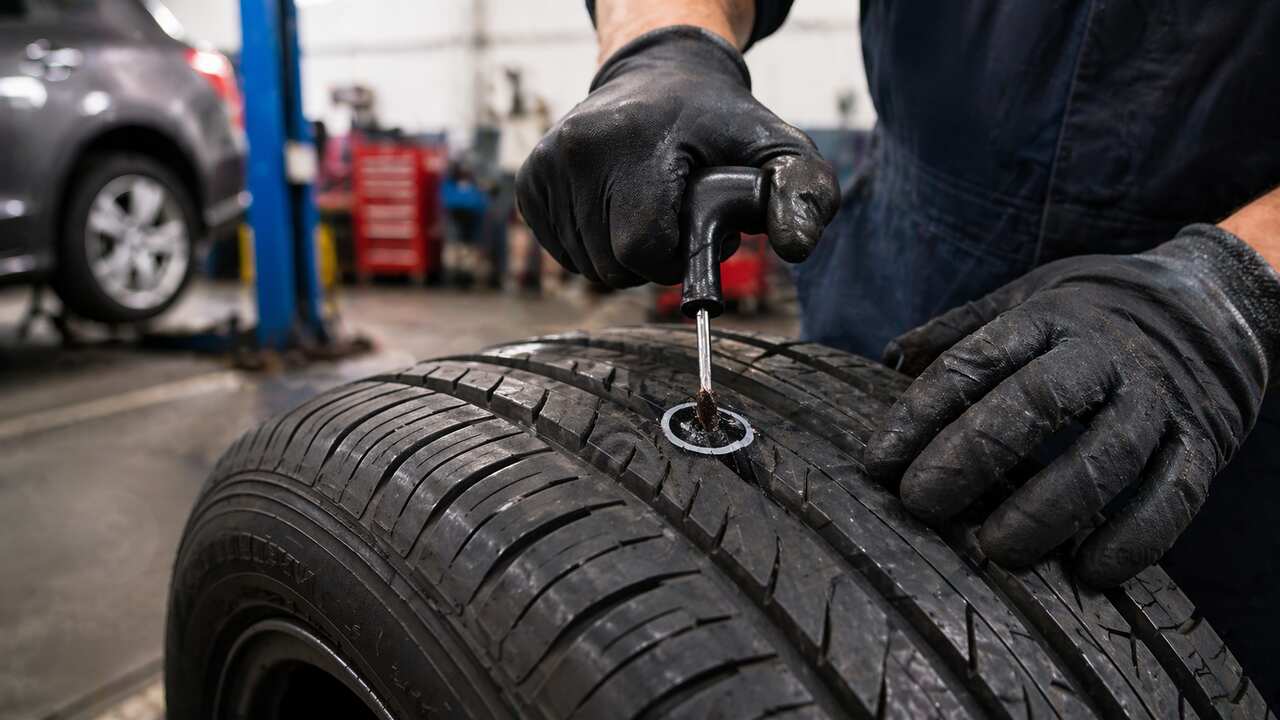
Deciding between a plug, a patch, or full replacement impacts both cost and safety. A tire plug is inserted from the outside and costs around $10 to $20, making it the cheapest option. However, it is often considered a temporary fix.
A tire patch, applied from the inside, provides a more secure seal and usually costs between $15 and $40. Many professionals combine both methods into a patch-plug repair, which ensures durability and prevents air leaks more effectively.
Replacement becomes necessary when the damage is extensive or located in non-repairable areas. New tires can range from $50 to $300 or more depending on brand and vehicle type, making patching significantly more economical when possible.
Here is a quick comparison:
| Repair Option | Cost Range | Durability Level | Recommended Use |
|---|---|---|---|
| Tire Plug | $10 – $20 | Temporary | Emergency or short-term fix |
| Tire Patch | $15 – $40 | Permanent | Standard puncture repair |
| Replacement | $50 – $300+ | Long-term | Severe or unsafe damage |
Calculate DIY Tire Patch Costs and Required Tools
Handling the repair yourself can reduce costs, but it requires proper tools and basic mechanical knowledge. A DIY tire patch kit typically costs between $5 and $20 and includes plugs, adhesive, and insertion tools.
You will also need additional equipment such as a tire pressure gauge, pliers, and possibly a portable air compressor. While the upfront investment is low, improper installation can lead to air leaks or unsafe driving conditions.
DIY repairs work best for small punctures and when you have immediate access to tools. However, they lack the internal inspection performed by professionals, which means hidden damage could go unnoticed.
This approach is cost-effective but carries more risk, especially for high-speed or long-distance driving. Professional repair is generally recommended for long-term reliability.
Check Warranty and Free Repair Policies from Tire Brands
Many tire manufacturers and retailers offer free patching services under specific conditions. If you purchased your tires from a major retailer, you may qualify for complimentary repairs, which significantly reduces your overall cost.
Brands like Michelin, Bridgestone, and Goodyear often provide warranty coverage that includes puncture repairs within a certain mileage or time period.
Retail chains may also offer lifetime maintenance packages that include free flat repairs, rotations, and inspections. Checking your purchase receipt or warranty documentation helps you determine eligibility.
Taking advantage of these policies can bring your repair cost down to zero, making it one of the most overlooked ways to save money on tire maintenance.
Estimate Long-Term Costs of Repeated Tire Repairs
Repeatedly patching the same tire may seem economical, but it can increase long-term expenses and risk. Each repair slightly weakens the tire structure, especially if multiple punctures occur in close proximity.
Frequent repairs may indicate underlying issues such as worn tread or poor driving conditions. Investing in a new tire after multiple patches often becomes more cost-effective than continuing repairs.
Balancing short-term savings with long-term safety is essential. A single patch is usually reliable, but repeated fixes can lead to performance issues, reduced fuel efficiency, and potential blowouts.
Tracking repair history helps determine when it is time to replace rather than repair, ensuring both safety and cost efficiency.
Find Ways to Reduce Tire Repair Costs Effectively
Reducing tire patching costs involves a combination of preventive maintenance and smart service choices. Regularly checking tire pressure helps prevent punctures caused by underinflation, which can weaken the tire structure.
Rotating tires every 5,000 to 8,000 miles ensures even wear, reducing the likelihood of damage. Avoiding rough roads and debris also minimizes puncture risks.
Choosing local repair shops instead of dealerships can lower costs without compromising quality. Additionally, asking about bundled services or discounts can further reduce expenses.
Maintaining tires properly not only lowers repair costs but also extends their lifespan, improving overall vehicle performance.
Conclusion
The cost to patch a tire typically falls between $10 and $40, making it an affordable and practical solution for minor punctures. However, the final price depends on factors such as service provider, repair method, tire condition, and location. While DIY options can save money upfront, professional repairs offer greater reliability and safety.
Understanding when to patch, plug, or replace a tire ensures you make cost-effective decisions without compromising performance. By combining proper maintenance, warranty benefits, and smart service choices, you can minimize expenses and keep your vehicle running smoothly.
Read Also: How Much Is It to Plug a Tire? Complete Cost Breakdown and Repair Guide
