







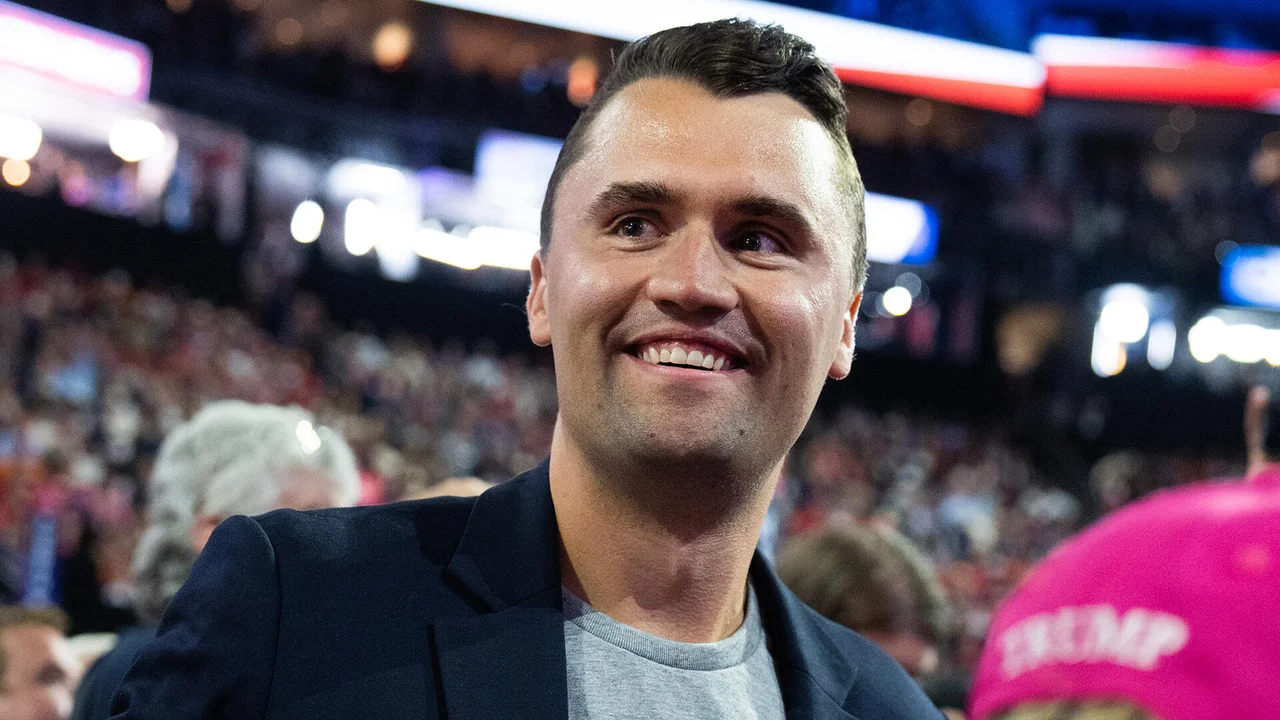
When people search for the phrase “charlie kirk smile,” they’re often curious about more than just a facial expression. A smile, especially from a public figure, carries layers of meaning—confidence, charisma, relatability, even controversy. In the case of Charlie Kirk, his expression has become part of how audiences interpret his personality and public presence.
So what is it about his smile that draws attention? And why does something so simple spark so much discussion?
Let’s unpack it.
The Power of a Smile in Public Life
Before zooming in on Charlie Kirk specifically, it’s worth understanding why smiles matter so much in general—especially for public figures.
A smile isn’t just a reflex. It’s a communication tool. In politics, media, and public speaking, it can signal:
- Confidence under pressure
- Approachability during debates
- Persuasion without words
- Emotional control in tense moments
In many ways, a smile becomes part of someone’s personal brand.
That’s exactly what seems to be happening here.
Why People Notice Charlie Kirk’s Expression
Charlie Kirk, known for his speaking engagements, interviews, and leadership role in Turning Point USA, is frequently on camera. Over time, viewers start picking up on patterns—including facial expressions.
His smile is often described as:
- Controlled rather than overly expressive
- Appearing in moments of emphasis or rhetorical points
- Used during debates or when making a confident claim
For some viewers, it comes across as self-assured. For others, it can feel calculated or even provocative. That difference in perception is what keeps the conversation going.
A Closer Look: Expression vs Interpretation
Here’s where things get interesting—what one person sees isn’t always what another sees.
| Aspect | How Supporters Interpret It | How Critics Interpret It |
|---|---|---|
| Smile timing | Confident and composed | Strategic or rehearsed |
| Facial tone | Calm and controlled | Slightly smug or dismissive |
| On-camera presence | Charismatic and engaging | Overly performative |
| Debate reactions | Strong rhetorical confidence | Defensive or deflective |
This contrast highlights something important: a smile doesn’t exist in isolation. It’s filtered through personal beliefs, biases, and expectations.
The Role of Media and Memes
In today’s digital landscape, even the smallest detail can take on a life of its own. Screenshots, short clips, and memes amplify expressions far beyond their original context.
Charlie Kirk’s smile has occasionally been:
- Shared in reaction memes
- Discussed in online forums
- Analyzed in commentary videos
Once an image enters meme culture, it stops being just an expression—it becomes a symbol. And symbols are powerful.
Watching a Debate Clip
Imagine scrolling through social media late at night. You come across a short clip of a campus debate featuring Charlie Kirk. He’s responding to a question, and at a key moment, he pauses and smiles slightly before continuing.
Now pause.
If you agree with his viewpoint, that smile might feel like confidence—like he knows exactly where he’s going next. But if you disagree, the same smile might feel dismissive or even condescending.
That’s the fascinating part: the same expression, two completely different reactions.
A Personal Observation
I remember watching one of his campus speaking clips where he smiled mid-response, and I caught myself wondering whether it was intentional or just natural—because in that moment, it subtly shifted how I interpreted his tone.
That’s how impactful micro-expressions can be.
The Psychology Behind It
From a psychological perspective, people are wired to read faces quickly. We make snap judgments based on:
- Eye movement
- Mouth shape
- Timing of expressions
A slight smile during a serious conversation can create cognitive dissonance—it doesn’t always match the tone, which makes people analyze it more deeply.
In Charlie Kirk’s case, that mismatch (real or perceived) is part of why the topic gets attention.
Charisma, Control, and Communication
Public speakers often train themselves to manage expressions carefully. A well-timed smile can:
- Diffuse tension
- Emphasize a point
- Maintain audience engagement
Whether intentional or not, Charlie Kirk’s facial expressions seem to contribute to his overall communication style. They add a layer that goes beyond words—something viewers pick up on, even subconsciously.
Why This Topic Trends Online
Search interest in phrases like “charlie kirk smile” isn’t random. It reflects broader curiosity about:
- Public personas
- Nonverbal communication
- Media perception
People aren’t just looking at what he says—they’re studying how he presents himself.
And in a world where video content dominates, that makes perfect sense.
The Bigger Picture: Expressions Shape Reputation
A single smile won’t define a person—but repeated exposure to certain expressions can influence how someone is perceived over time.
For public figures, this means:
- Every on-camera moment contributes to their image
- Expressions can reinforce or challenge existing opinions
- Small details can become widely discussed narratives
Charlie Kirk’s smile is just one example of how modern audiences engage with public personalities on a deeper, more observational level.
Read More: Rapid Identity CCISD Login Guide & Access Tips Now
Conclusion
The phrase “charlie kirk smile” might seem oddly specific at first, but it opens the door to a much larger conversation about perception, communication, and public image.
What makes it interesting isn’t just the smile itself—it’s how people interpret it. Some see confidence. Others see calculation. And many simply notice it without overthinking.
In the end, that’s the nature of human expression: subtle, subjective, and surprisingly powerful.
FAQs
1. Why do people search for “charlie kirk smile”?
People are often curious about public figures’ expressions, especially when they appear frequently in videos or debates. It becomes a point of observation and discussion.
2. Is Charlie Kirk’s smile intentional?
There’s no confirmed answer. Like most expressions, it could be a mix of natural behavior and learned public speaking habits.
3. Why do interpretations of his smile differ?
Perception is influenced by personal beliefs, biases, and context. The same expression can be seen in completely different ways.
4. Does a smile really impact public image?
Yes. Nonverbal cues like facial expressions play a significant role in how audiences perceive confidence, authenticity, and tone.
5. Is this kind of analysis common for public figures?
Absolutely. In the age of social media and video content, even small details like gestures and expressions are often analyzed and discussed.


