






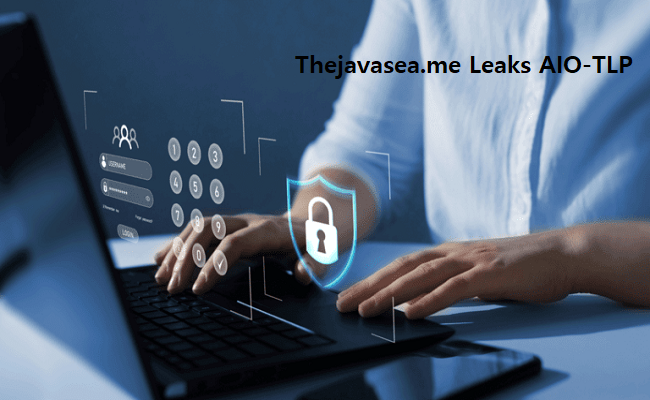
The internet has a way of turning obscure phrases into trending searches overnight. One such term—thejavasea.me leaks aio-tlp370—has quietly sparked curiosity, concern, and a fair bit of confusion across online communities. At first glance, it sounds technical, maybe even cryptic. But when you unpack it, the topic reveals something far more important: the growing reality of digital data exposure.
Let’s break it down in a clear, human way—without hype, but with the insight you actually need.
Understanding thejavasea.me and the Leak Context
To start, thejavasea.me is often described as a lesser-known platform associated with sharing leaked or questionable digital content. It’s not a mainstream site, yet it gains attention whenever a new “leak package” appears.
When people refer to thejavasea.me leaks aio-tlp370, they’re usually talking about a specific dataset or bundled file that was allegedly exposed without authorization.
Think of it like a digital vault that was never meant to be opened—but suddenly, pieces of it are circulating online.
What Does AIO-TLP370 Actually Mean?
The phrase itself isn’t random. It carries structure:
- AIO (All-In-One): Indicates a compiled package containing multiple types of data
- TLP370: Likely an identifier, version code, or classification label
- Combined meaning: A categorized bundle of leaked or aggregated information
In cybersecurity discussions, AIO packages are particularly concerning because they combine data from multiple sources into one place, making them far more dangerous than isolated leaks.
Some interpretations even suggest links to tools or datasets involving passwords or security utilities, though specifics remain unclear.
Why This Leak Matters More Than You Think
Here’s the uncomfortable truth: data leaks are no longer rare—they’re routine. And incidents like this highlight a bigger issue.
When aggregated datasets are exposed:
- Emails + passwords may appear together
- Personal details can be cross-referenced
- Old breaches become newly dangerous
This “data stitching” effect is what makes AIO-type leaks especially risky. A single dataset might not harm you—but combined data can unlock multiple accounts.
Real-World Data Breach Scenario: How Leaked Credentials Are Exploited
Imagine this:
You signed up for a small online forum years ago using your main email and a simple password. That site gets breached—but you never notice.
Later, that data becomes part of a compiled package like AIO-TLP370. Now, someone uses automated tools to test your email-password combo on banking apps, social media, and cloud storage.
Suddenly, a forgotten account becomes the weak link that exposes your entire digital life.
That’s not hypothetical—it’s exactly how modern cyberattacks often work.
Types of Data Typically Found in Such Leaks
While the exact contents of this specific dataset aren’t fully verified, similar leak packages usually include:
- Email and password combinations
- Usernames from multiple platforms
- Phone numbers and IP addresses
- Occasionally financial or location data
These collections are often built from multiple past breaches merged into one file, increasing their effectiveness for attackers.
Comparison: Single Data Leak vs AIO Leak Package
| Aspect | Single Data Leak | AIO Leak Package |
|---|---|---|
| Source | One platform | Multiple platforms |
| Risk Level | Moderate | High |
| Data Type | Limited | Combined datasets |
| Attack Potential | Isolated | Cross-platform attacks |
| Example Impact | One account compromised | Multiple accounts breached |
This comparison shows why terms like aio-tlp370 attract so much attention—they represent a higher level of threat.
Hidden Risks You Shouldn’t Ignore
Even if you never visit such sites, the implications can still affect you:
1. Credential Stuffing
Hackers test leaked login details across multiple platforms automatically.
2. Identity Theft
With enough combined data, attackers can impersonate users or access financial systems.
3. Targeted Phishing
Leaked personal details allow scammers to craft highly convincing emails.
4. Malware Traps
Many files labeled as “leaks” are actually bait loaded with malicious code.
A Quick Personal Insight
I once reused the same password across several accounts (like many people do), and after checking a breach database, I realized that a single exposed credential could have opened multiple doors—luckily, I caught it early and fixed it.
Why Incidents Like This Keep Happening
It’s easy to blame hackers—but the reality is more complex:
- Weak security systems on smaller platforms
- Users reusing passwords across sites
- Poor encryption practices
- Data aggregation by third parties
Even worse, many leaks aren’t entirely new—they’re repackaged versions of older breaches, given new labels to attract attention.
How to Protect Yourself Right Now
You don’t need advanced technical skills to stay safe. Just follow these practical steps:
- Use unique passwords for every account
- Enable two-factor authentication (2FA)
- Avoid downloading unknown files or leak packages
- Regularly check if your email appears in breach databases
- Keep devices and software updated
Think of your digital security like locking your house—it’s not about paranoia, it’s about basic protection.
The Bigger Picture: Why This Topic Keeps Trending
Search terms like this gain traction for three reasons:
- Curiosity – People want to know “what’s inside”
- Fear – Concern about personal data exposure
- Exclusivity – The illusion of hidden or secret content
But here’s the reality: most users gain nothing from engaging with such leaks—and risk far more than they realize.
Read More: https://readmangago.com/blog/business/bottlecrunch-guide-website-tips/
Conclusion
The phrase thejavasea.me leaks aio-tlp370 might sound like a niche internet mystery, but it reflects a much broader issue: how vulnerable our digital identities can be in a data-driven world.
Whether this specific leak turns out to be significant or not, the lesson remains the same—your data is valuable, and protecting it is no longer optional.
Staying informed isn’t about fear. It’s about control.
FAQs
What is thejavasea.me leaks aio-tlp370?
It refers to a reported data exposure involving a bundled dataset labeled AIO-TLP370, potentially containing aggregated user information.
Is aio-tlp370 a real leak or just hype?
Some aspects remain unclear. Many such datasets are real, but others may be repackaged or exaggerated for attention.
Can this leak affect me personally?
If your data was part of previous breaches, it could be included in aggregated datasets like this.
Is it safe to download files related to this leak?
No. Such files often carry malware or legal risks and should be avoided.
How can I check if my data was exposed?
Use trusted breach-checking tools and update your passwords regularly.
What makes AIO leaks more dangerous?
They combine multiple data sources, making it easier for attackers to exploit accounts across different platforms.


